Damp-Heat in Bladder
Burning urination, urgency, turbid urine
Bladder Deficiency and Cold
Frequent clear urination, incontinence
Bladder
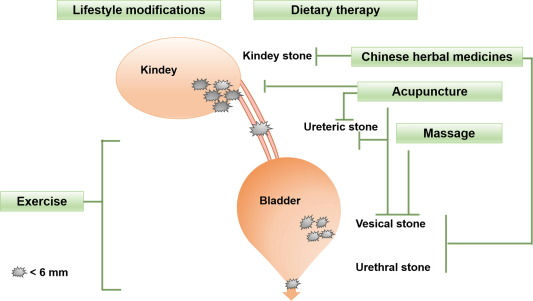

Not an anatomical organ but a functional system:
-
Upper Jiao (LU & HT): distributes Qi and fluids
-
Middle Jiao (SP & ST): digestion and transformation
-
Lower Jiao (LR, KI, BL, Intestines): elimination, reproduction
Disorders depend on fluid metabolism and Qi regulation across these areas.
Triple Burner
Kidney Yin Deficiency
Night sweats, dry mouth, tinnitus
Kidney Yang Deficiency
Cold back, impotence, edema
Kidney Qi Not Firm
Urinary incontinence, dribbling
Kidneys Failing to Grasp Qi
SOB on exertion, asthma
Kidney Jing Deficiency
Developmental delay, infertility, early aging
Kidney

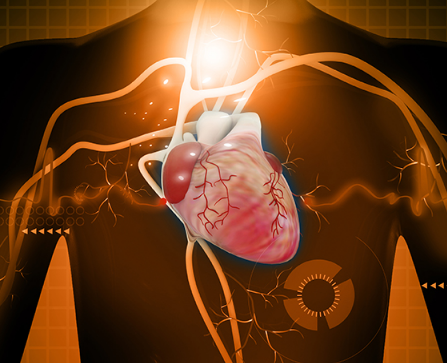
Similar to Heart, but used more in emotional/mental disturbances
Heat in the Pericardium
(e.g. in febrile disease at Ying level)
Delirium, high fever, incoherent speech
Pericardium

Heart Qi Deficiency
Palpitations, fatigue, spontaneous sweating
Heart Yang Deficiency
Cold limbs, pale face, chest tightness
Heart Blood Deficiency
Insomnia, anxiety, poor memory, pale tongue
Heart Yin Deficiency
Insomnia, night sweats, red tongue
Heart Fire Blazing
Restlessness, tongue ulcers, red face
Phlegm misting the Heart
Confusion, depression, muttering
Phlegm-Fire disturbing the Shen
mania, aggressive behaviour
Heart

Lung Qi Deficiency
Weak voice, SOB, frequent colds
Lung Yin Deficiency
Dry cough, hoarse voice, 5-palm heat
Invasion of Wind-Cold/Heat
Chills, cough, nasal congestion
Phlegm in the Lungs
Cough with sputum, chest congestion
Dryness invading the Lungs
Dry throat, dry skin, dry cough
Lung
Zang-Fu Organ Pathology

Zang-Fu Organ Pathology
The Zang-Fu organs (脏腑) are central to understanding pathology. Each organ is viewed not only in terms of its physiological role, but also its energetic, emotional, and systemic functions. Pathology of the Zang-Fu organs results from imbalances of Qi, Blood, Body Fluids, Yin/Yang, and external or internal pathogenic factors, leading to specific clinical syndromes.
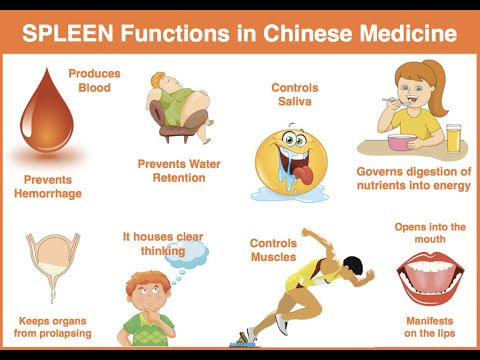
Spleen Qi Deficiency
Poor appetite, loose stools, fatigue
Spleen Yang Deficiency
Cold limbs, diarrhea, edema
Spleen not controlling Blood
Bleeding (e.g. uterine, gum)
Spleen Qi Sinking
Organ prolapses, bearing-down sensation
Dampness in the Spleen
Heaviness, bloating, sticky stools
Spleen
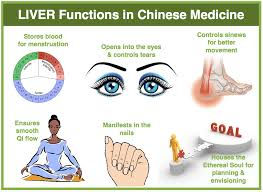
Liver Qi Stagnation
Distension, PMS, emotional lability
Liver Fire
Headache, red eyes, irritability, bitter taste
Liver Blood Deficiency
Dizziness, blurry vision, dry nails
Liver Yin Deficiency
Dry eyes, tremors, insomnia
Liver Yang Rising
Tinnitus, hypertension, dizziness
Liver Wind
Convulsions, tremors, stroke
Cold in the Liver Channel
Hernial pain, dysmenorrhea
Liver
Stomach Qi Deficiency
Tiredness after eating, weak digestion
Stomach Yin Deficiency
Dry mouth, hunger without appetite
Stomach Fire
Bad breath, gum swelling, thirst
Food Retention
Bloating, sour reflux, foul breath
Cold Invading Stomach
Sudden epigastric pain relieved by warmth
Stomach

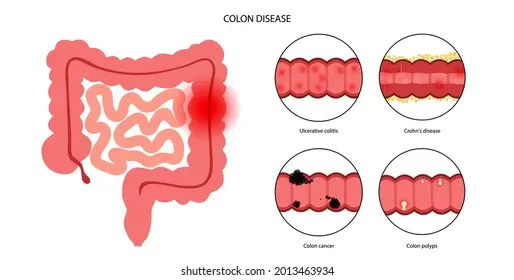
Dryness in LI
Constipation, dry stools
Damp-Heat in LI
Diarrhea with foul odour, burning anus
Qi Stagnation in LI
Abdominal pain, bloating
Large Intestine
Excess Heat
Tongue ulcers, dark urine, irritability
Qi Pain (cold-type colic)
Lower abdominal twisting pain
Qi Tied
Acute appendicitis-type pain, worse with pressure
Small Intestine

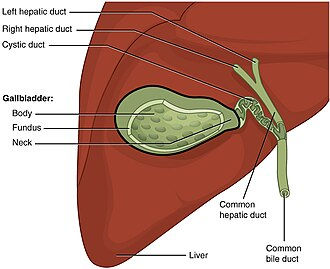
Damp-Heat in GB
Jaundice, bitter taste, hypochondriac pain
GB Qi Deficiency
Indecisiveness, easily startled
Gallbladder


